How I Learned to Stop Overthinking and Start Decorating
Decorating your home can feel like a monumental task. It’s easy to get overwhelmed by choices: Should I stick to neutrals or go bold? Does this rug match the couch? Am I following the right trends? In my early days of decorating, I spent hours agonizing over every decision. I’d scroll endlessly through Pinterest, trying to create the perfect space, only to feel paralyzed by fear of making a mistake.
The result? My home stayed half-decorated for years. Instead of enjoying the process, I overthought every step, afraid my choices wouldn’t be “good enough.”
Eventually, I realized that overthinking was holding me back. Decorating doesn’t have to be perfect or follow anyone else’s rules. Once I let go of the pressure to create a flawless space, I discovered the joy of decorating—and my home began to feel more like me. Here’s how I learned to stop overthinking and start decorating and how you can do it, too.
Realizing That Perfection Doesn’t Exist
One of the biggest lessons I learned was that perfection is an illusion. I spent so much time worrying about making the “perfect” choice that I forgot decorating is supposed to be fun.
No room is ever truly finished, and every home evolves. Instead of achieving perfection, I treated decorating as an ongoing process. That mindset shift allowed me to take risks, experiment, and enjoy myself.
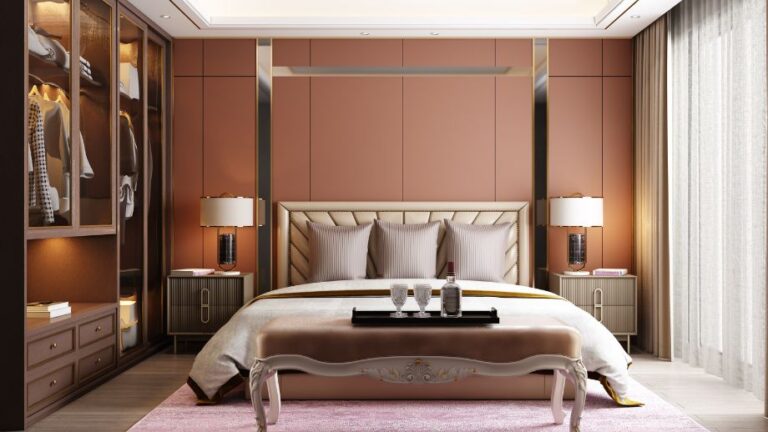
For example, I hesitated for months over what color to paint my bedroom. I finally chose a soft gray, but after living with it for a year, I wanted something warmer. Instead of seeing that as a mistake, I saw it as part of the process—and I’m much happier with my current cozy beige walls.
Starting Small and Building Momentum
Overthinking often stems from feeling overwhelmed by the big picture. Instead of tackling an entire room, I started small, focusing on one corner or piece at a time.
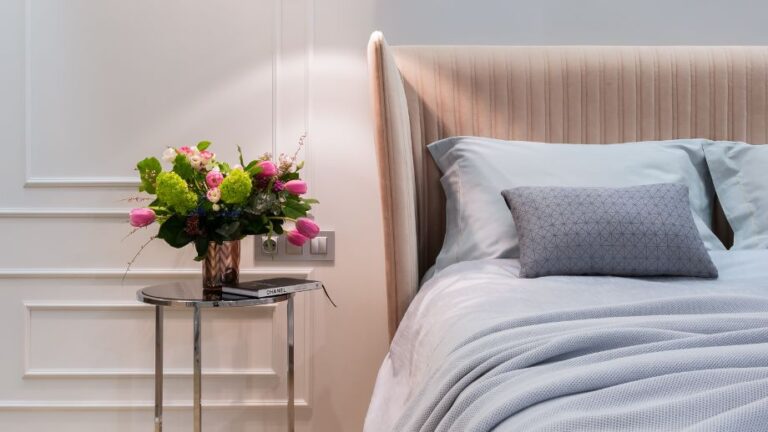
One of my first projects was styling my entryway. I added a sleek console table, a mirror, and a vase with fresh flowers. Seeing that little area come together gave me the confidence to move on to more significant projects, like rearranging my living room or choosing art for my walls. By breaking the process into manageable steps, I made progress without feeling paralyzed by indecision.
Letting Go of Trends
I’ll admit I used to obsess over design trends. If something was popular on Instagram or featured in a magazine, I felt I had to have it. But chasing trends left my home feeling generic, not personal.
When I stopped worrying about what was trendy, I started focusing on what I genuinely loved. That’s when my space began to reflect my personality instead of someone else’s vision.
Now, I mix timeless pieces with fresh accents, like a mid-century modern chair paired with a bold, colorful rug. My home feels more authentic, and I’m no longer stressed about keeping up with what’s “in.”
Trusting My Instincts
Overthinking often comes from second-guessing yourself. I used to analyze every decision to death, worrying about whether it was the “right” one. But here’s the thing: there’s no single way to decorate.
Once I started trusting my instincts, decorating became much more manageable. If I saw something I loved in a store that made me smile, I bought it. If a piece didn’t feel right once I brought it home, I returned it or found a new spot for it.
Trusting myself allowed me to decorate and create a home that felt uniquely mine confidently.
Accepting That Mistakes Are Part of the Process
Decorating is trial and error, and not every choice will work. Instead of fearing mistakes, I’ve embraced them as opportunities to refine my style.
I’ve made plenty of missteps, like buying a too small rug for my living room or choosing curtains that clashed with my walls. But those mistakes taught me valuable scale, color, and functionality lessons.
Now, I see mistakes as part of the journey. Every “wrong” choice gets me closer to understanding what I truly love and what works for my space.

Allowing My Space to Evolve
One of my most liberating realizations was that my home doesn’t have to be “done” immediately. A beautiful, personal space takes time to build.
I used to rush to fill every corner, afraid of empty walls or bare shelves. But now, I let my space evolve naturally. I add pieces gradually, rearrange furniture when inspiration strikes, and refresh decor with the seasons.
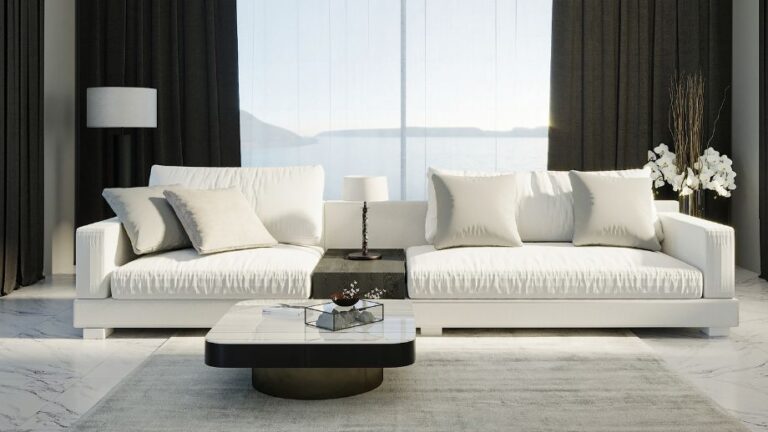
For example, my living room started with a sofa and a coffee table. Over time, I added a gallery wall, layered in cozy throws and pillows, and found a statement light fixture that ties the room together. Each addition felt intentional, and the space reflected my evolving style.
Finding Joy in the Process
The most significant shift for me was learning to find joy in decorating. Instead of treating it as a chore or a checklist, I started seeing it as a creative outlet.
Now, I ask myself one simple question before deciding: Does this bring me joy? If the answer is yes, I go for it. If not, I move on. That mindset shift has made decorating feel less like a task and more like an opportunity to express myself.
For instance, I recently encountered a quirky ceramic vase that didn’t match anything else in my home. I bought it anyway because it made me smile—and it’s now one of my favorite pieces on my bookshelf.
Letting My Home Reflect Me
Your home should feel like you. It doesn’t have to follow trends or impress anyone else—it just has to make you happy.
Since letting go of overthinking, I’ve created an authentic and inviting space. My home isn’t perfect, but it’s filled with pieces that tell my story, from heirloom furniture to travel souvenirs to thrifted treasures.
How You Can Start Decorating Without Overthinking
If you’re feeling stuck or overwhelmed, here are a few tips to help you get started:
• Start Small: Focus on one corner or piece at a time, like styling a shelf or choosing a rug.
• Embrace Imperfection: Remember that decorating is a process, and making changes along the way is okay.
• Trust Yourself: Choose pieces that make you happy, even if they don’t fit a specific “look.”
• Take Your Time: Let your home evolve naturally instead of trying to finish everything at once.
• Add Personal Touches: Incorporate items that tell your story, like family photos, handmade art, or souvenirs.
Final Thoughts
Learning to stop overthinking and start decorating has been one of the most freeing changes I’ve made. By embracing imperfection, trusting my instincts, and focusing on what brings me joy, I’ve created a home that feels uniquely mine.
If you’re stuck, remember that decorating doesn’t have to be perfect—it just has to feel like you. Start small, take risks, and let your space evolve. Your home reflects who you are, and there’s no wrong way to make it your own.